
Roulette is a game that has captivated players for centuries, combining chance with the thrill of anticipation. It is a staple of casinos around the world, often depicted in movies and seen in pop culture as the epitome of gambling glamor. However, the portrayal of roulette on many gaming platforms, including Gamspot, often lacks depth and nuance. In this article, we will delve into the intricate details of roulette—the history, types, strategies, and more—providing insights that go beyond typical coverage. Additionally, we’ll explore a range of resources for players, including some effective strategies that might not be commonly mentioned in mainstream reviews. For more information on this subject, feel free to check out roulette not on gamspot https://akoautismexpo.co.uk.
The Rich History of Roulette
Roulette dates back to the late 18th century, finding its origins in France. The word ‘roulette’ itself means ‘little wheel’ in French, which perfectly encapsulates the game’s essence. The game was created by Blaise Pascal while he was attempting to invent a perpetual motion machine. The mix of gambling elements was later refined into the modern version of roulette we know today. Roulette quickly gained popularity across Europe, especially in casinos in Monte Carlo, where the game was mainstreamed.
Understanding the Types of Roulette
There are three main variations of roulette: American, European, and French. Each type has its distinct rules and odds, contributing to the overall gambling experience.
1. European Roulette
European roulette features 37 slots, numbered from 0 to 36. The presence of a single zero (0) gives players better odds compared to its American counterpart. This version is particularly popular in European casinos and is favored by many professional players because of its lower house edge.
2. American Roulette
American roulette includes an additional slot—a double zero (00)—making a total of 38 slots. The double zero increases the house edge, making it less favorable for players. However, the American version is often found in casinos in the United States, and its larger payout options can be enticing to players.
3. French Roulette
French roulette is similar to the European version but comes with additional rules that can benefit the player. These include the “La Partage” and “En Prison” rules, which can return half the bet if the ball lands on zero, lowering the house edge even further. French roulette is celebrated for its beautiful wheel layout and sophisticated table designs.
The Mechanics of the Game
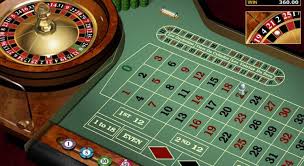
Understanding the mechanics of roulette is essential for players looking to develop effective strategies. At its core, roulette involves a wheel and a betting table. Players place bets on the table, and when the dealer spins the wheel, a small ball is thrown in the opposite direction. Players can bet on individual numbers, groups of numbers, colors (red or black), or if the number will be odd or even.
Betting Strategies in Roulette
Many players approach roulette with various strategies that can influence their betting. Here are some popular strategies:
1. Martingale Strategy
The Martingale strategy is one of the most well-known betting systems. It involves doubling your bet after every loss, with the idea that you will eventually win back your losses plus a profit. While it can be effective in the short term, it also carries the risk of hitting the table limit or depleting your bankroll.
2. Reverse Martingale Strategy
Also known as the Paroli system, the Reverse Martingale suggests increasing your bets after a win rather than a loss. This strategy is designed to capitalize on winning streaks while minimizing losses during bad rounds.
3. D’Alembert Strategy
This betting system is less aggressive than Martingale and involves increasing your bet by one unit after a loss and decreasing it by one unit after a win. This method is considered safer and more manageable for players who prefer a more balanced approach.
4. Fibonacci Strategy
The Fibonacci system is based on the famous Fibonacci sequence, where each number is the sum of the two preceding ones. Players increase their bets according to this sequence after a loss and revert to the beginning of the sequence after a win. This strategy emphasizes recovering losses more conservatively.
The Psychological Aspect of Roulette
Playing roulette is not just about numbers and strategies; it’s also about the psychology of gambling. The ambiance of a casino, the sound of the spinning wheel, and the thrill of the possibility of winning create an exhilarating experience. However, it’s important to maintain a balanced approach and be aware of the psychological impacts of gambling. Many players experience the “gambler’s fallacy,” believing that previous outcomes can influence future spins. Understanding the random nature of roulette can help mitigate unrealistic expectations and maintain a healthy gaming experience.
The Cultural Impact of Roulette
Roulette has permeated cultural representations, from literature to films, symbolizing luxury, temptation, and chance. Movies such as “Casino Royale” and “The Hangover” prominently feature roulette as a core element of their narratives, contributing to the mystique and allure of the game. Furthermore, roulette has inspired cocktails, themed parties, and even fashion trends, showcasing its influence beyond the gambling table.
Conclusion
Roulette is more than just a game of chance; it is a blend of strategy, psychology, and culture. While many reviews, such as those on Gamspot, may provide a superficial overview of the game, exploring its intricacies allows players to appreciate its depth fully. Armed with a solid understanding of the types, mechanics, and strategies, players can approach roulette with confidence. Remember, while strategies can enhance the experience, the primary goal should always be to enjoy the thrill of the game responsibly.
Leave a reply